The First Five Years Shape a Lifetime
The world today's children will inherit will be fundamentally different from the world their parents entered.
Parents increasingly understand a simple reality:
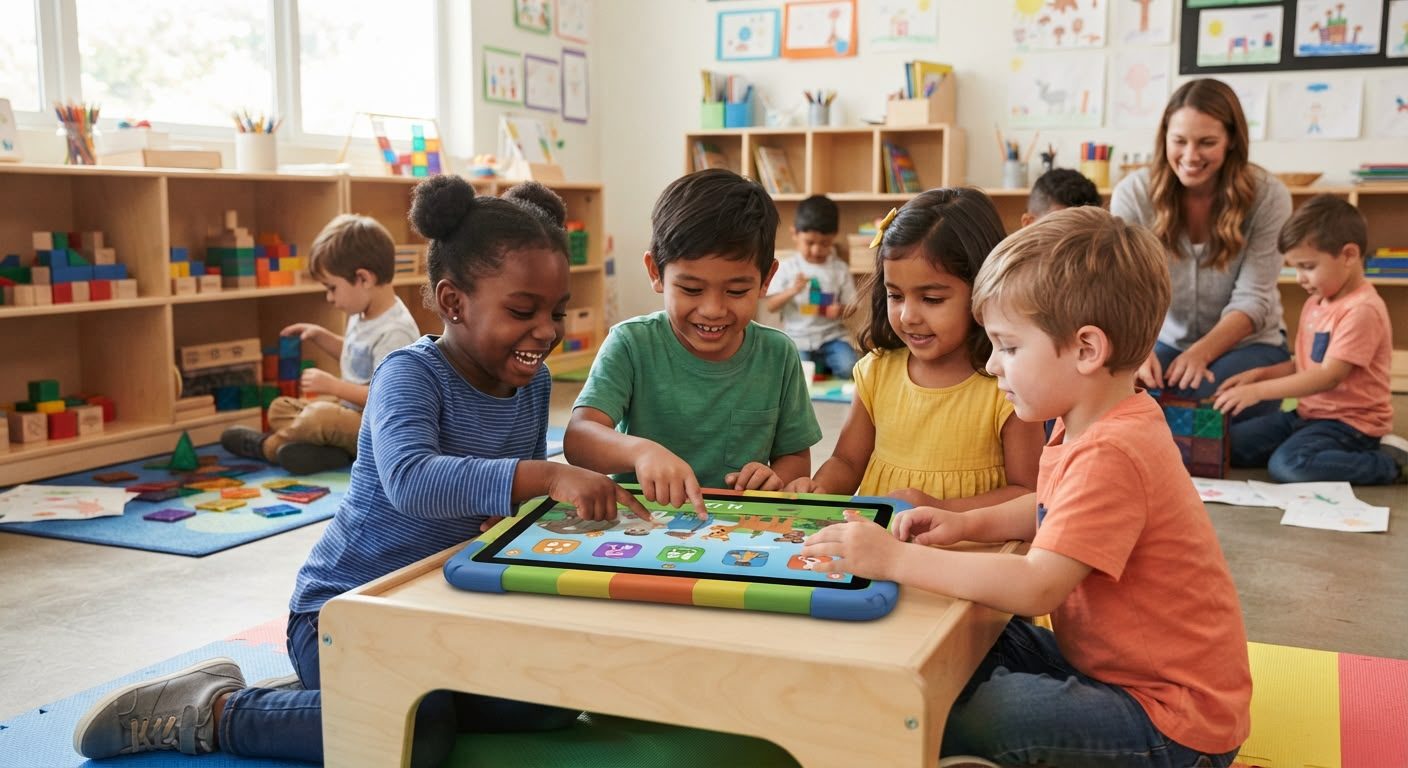
The future cannot be predicted, but children can be prepared for it.
Most nursery and preschool operators continue to focus on:
- Childcare
- Supervision
- Curriculum delivery
- School readiness
While these remain important, they are no longer sufficient.
The next generation will require:
- Emotional Intelligence
- Creativity
- Adaptability
- Resilience
- Communication
- Collaboration
- Critical Thinking
- Curiosity
- Wellbeing Literacy
The first five years represent one of the most important periods of human development.
The quality of a child's early years can significantly influence later educational, behavioural, health and professional outcomes.
During these formative years:
- Brain development occurs more rapidly than at any other stage of life.
- Emotional patterns begin to form.
- Language development accelerates.
- Social skills emerge.
- Learning behaviours are established.
- Physical habits develop.
- Confidence and self-belief start to take shape.
Put simply:
The future quality of life is often built upon the foundations established during the earliest years.
Before educational achievement comes:
- Confidence
- Curiosity
- Emotional resilience
- Creativity
- Adaptability
- Healthy habits
- Strong communication skills
These qualities underpin lifelong success.
Correlation Between Early Years and Later Life Outcomes
| Early Years Development Area | Potential Long-Term Impact |
|---|---|
| Emotional Regulation | Greater resilience and improved mental wellbeing |
| Language Development | Higher educational achievement and communication capability |
| Positive Social Interaction | Stronger relationships, collaboration and leadership |
| Healthy Nutrition | Better cognitive performance and physical health |
| Physical Activity | Improved lifelong wellbeing and health outcomes |
| Curiosity & Exploration | Greater creativity and innovation |
| Confidence & Self-Belief | Higher achievement across multiple life domains |
| Stable Nurturing Environments | Stronger emotional security and adaptability |
| Self-Awareness | Improved emotional intelligence and decision-making |
| Healthy Habit Formation | Better long-term health and wellbeing |
The earliest years offer one of the highest-return opportunities for investment in human capital.
Children who develop stronger foundations are more likely to experience:
- Better educational outcomes
- Improved health outcomes
- Higher productivity
- Stronger community participation
- Greater economic contribution
- Enhanced quality of life
HOLNESS Early Years sits at the intersection of:
Early Years™
Rather than operating nursery centres, HOLNESS seeks to build a new category:
Human Development Infrastructure
for children, families and communities.